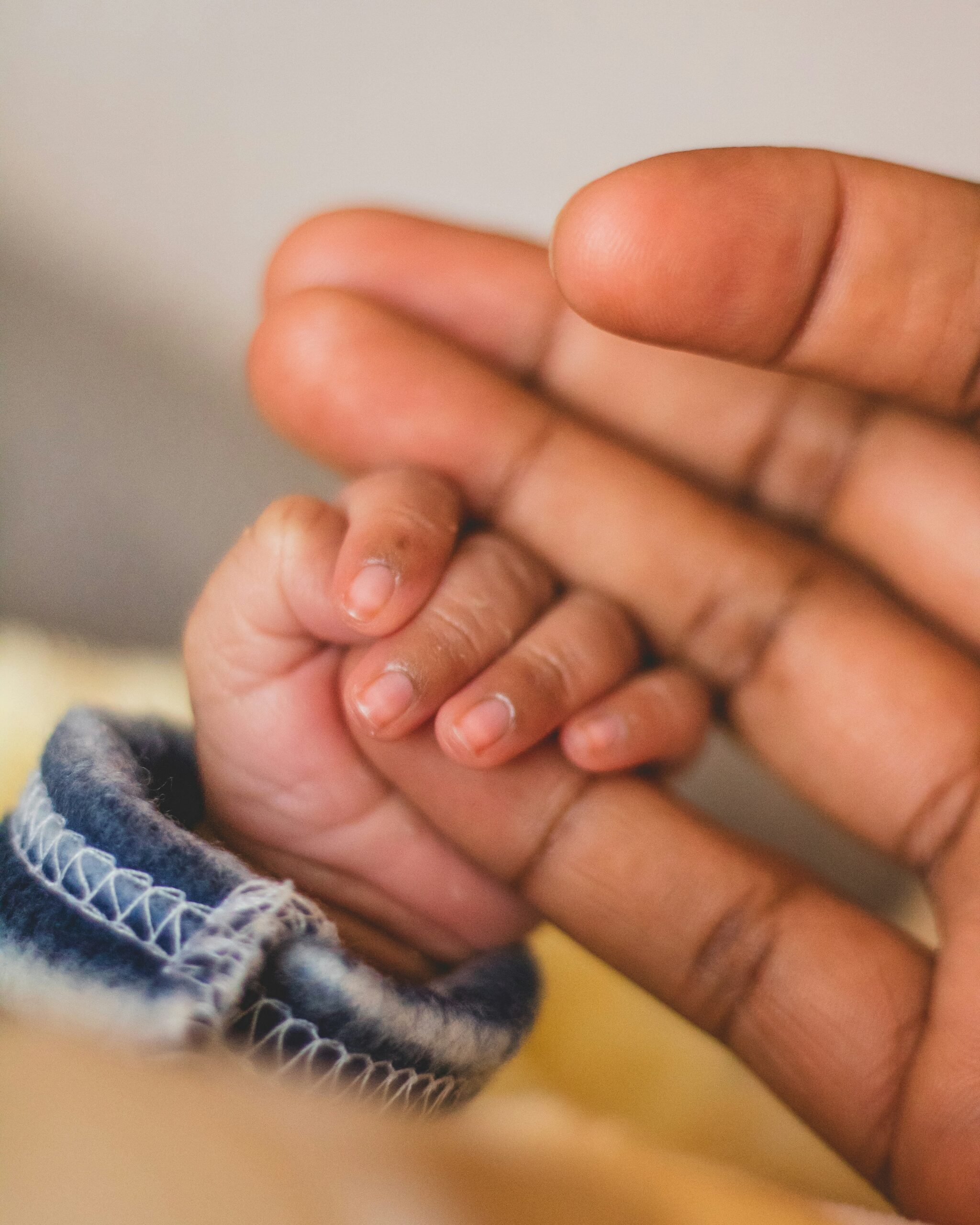
“So emotional safety is the key ingredient to babies achieving true potential,” read a banner at a child clinic. It triggered an intriguing discussion among the OPD parents waiting outside. As some of them were discussing, Mrs Agarwal exclaimed I want Ruhi to represent India at the Olympics. Mrs Singh wished his son would perform at a rock concert at Cochela. It instigated a series of life goals that parents fancied their child would achieve one day.
Finally, someone asked the most important question, “How would you realise that your son or daughter is destined to be a singer, writer, or chess player?” A simple answer to that question is you don’t. Let the child decide. All you have to do is provide a safe, loving, and affectionate environment from day one of life. This is paramount to his/her emotional well-being.
Mrs Sinha, listening to the discussion from far away till now, quipped, “How does this emotional security work? How do we provide it?’’ It is very easy. Most of us do it subconsciously. All we need is some consistency. Talking to the baby, responding to theverbal and non-verbal gestures, with a smile, caring vocal sounds, and good eye contact, helps the baby feel secure. Reading to the baby as early as four months helps create the early mental vocabulary, thus maximising fluency. One vital milestone in a baby’s development is the occurrence of stranger anxiety around 6-7 months of age, and it persists till 16 months. The presence of at least one family member in the vicinity of the baby at all times during these months provides emotional security to the baby.
Also, along with the critical aspect of emotional security, positive interaction with parents and family members guides the child’s behavior in different settings. Child learns by watching and imitating, too. So, watching the screen, screaming, shouting, and using curse words should be a big no-no in the house. A child’s brain is ultra-receptive in the first two years, and you don’t want to miss opportunities to widen its range or, even worse, pollute it.
“What about the social interaction of the child. My daughter doesn’t share her toys with anyone,” said Mrs Sharma. Teaching your child about sharing is a skill often neglected. According to the American Academy of Pediatrics (AAP), a child develops empathy and understands the idea of sharing by 4 years of age. A ‘prosocial’ set up consisting of gestures, like involving the child in household activity, getting a single chocolate, and asking the child to distribute it to all the members, before the age of 4 years, helps the child understandsharing better when they grow up. This also aids children in socializing better in later years of life, which is vital for self-confidence, self-image, and reducing shyness.
TAKE-HOME MESSAGE. Love, interact, cuddle, and bond with the child. It is surprising how much they can achieve with these simple yet effective life lessons. Moreover, they will have friends cheering from the stands when they win their first championship or award.